
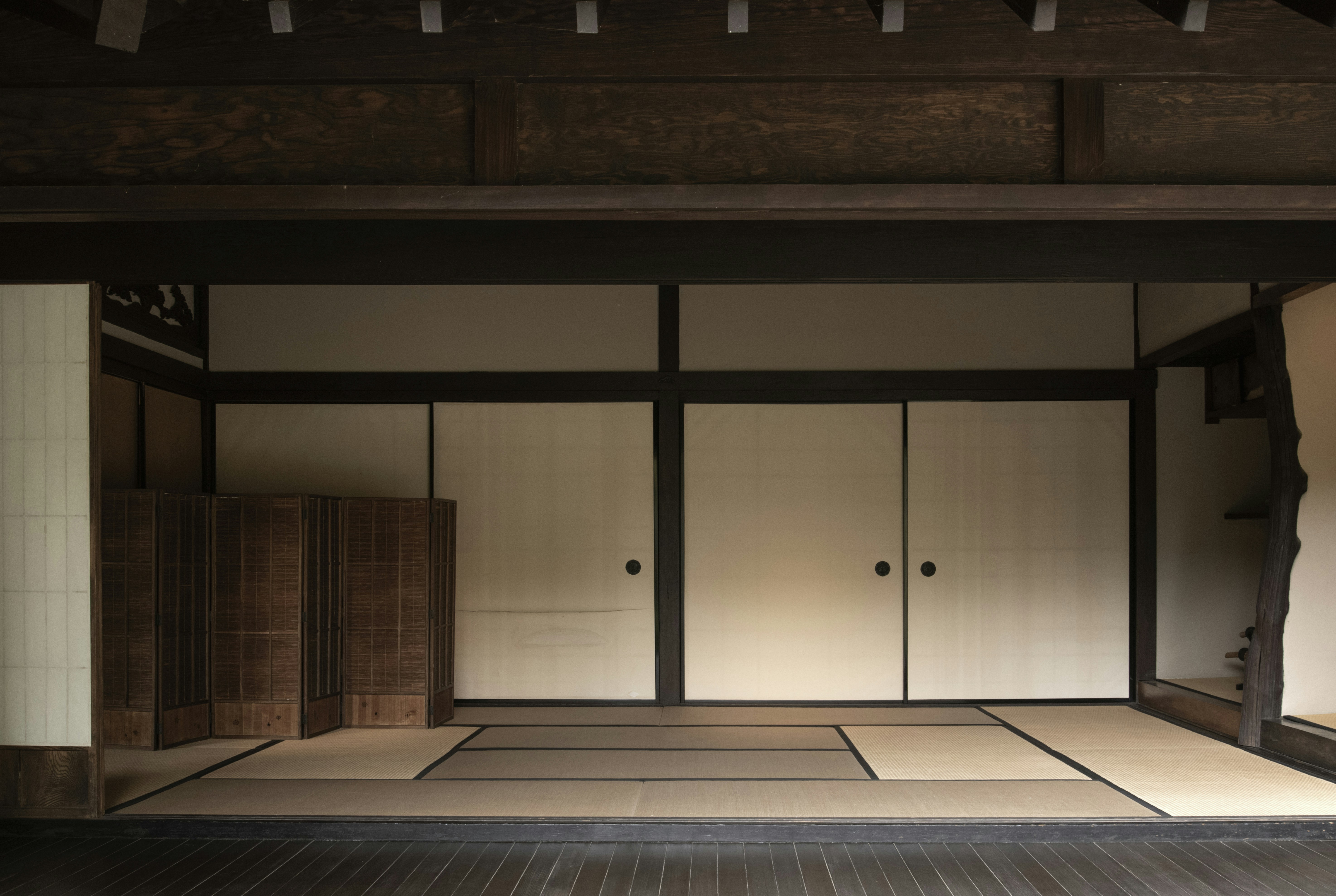
A Mindful Start: 5:30 AM Morning Rituals
As the clock strikes 5:30 AM, I embrace the serenity of the early morning, embarking on a mindful journey with my matcha ritual. This practice, steeped in tradition, allows me to shift my focus away from the frenetic pace of modern life and cultivate a sense of intentionality. Rather than reaching for a cup of coffee, I turn to matcha, a finely ground powder made from green tea leaves, known for its rich flavor and numerous health benefits.
The simplicity of this ritual is profound. To prepare my matcha, I gather a few essential tools: a bamboo whisk (chasen), a small bowl (chawan), and a bamboo scoop (chashaku). Each item holds significance, reminding me of the beauty in simplicity and the importance of nurturing our routines. I begin by carefully measuring out the matcha powder, paying close attention to the texture and color, allowing myself to become fully present in the moment. The act of whisking the powder with hot water is meditative, as I witness the vibrant green froth develop with each stroke, symbolizing a fresh start and the potential of a new day.
In contrast to the jolt of coffee, matcha offers a gentler, sustained energy that promotes clarity and calmness. This calming beverage is rich in L-theanine, an amino acid that enhances focus and reduces stress. Sipping my matcha allows me to pause and reflect, setting a positive tone for the day ahead. As I take in the warmth of the tea, I take deep breaths, expressing gratitude for the momentary stillness in my life. The mindful consumption of matcha nourishes not only my body but also my mind, helping to establish a sense of balance before the day’s demands unfold.
Embracing Imperfection: 6:00 AM Wabi-Sabi Journaling
Journaling at dawn offers a serene opportunity to connect with oneself in a dedicated, intentional manner. In the spirit of wabi-sabi, which celebrates the beauty found in imperfection and transience, this practice allows individuals to explore their thoughts and feelings while embracing their authentic selves. As the first light of day filters through, thoughts may begin to swirl—this is the perfect moment to engage with a journal.
Wabi-sabi journaling invites participants to write without the pressure of perfection. This means letting go of grammatical precision and aesthetic presentation, allowing the rawness of one’s thoughts to flourish on the page. In recognizing that our feelings and experiences are often flawed, we may tackle self-judgment head-on; journaling thus transforms into a medium for self-compassion and understanding. The act of writing becomes reflective, urging us to acknowledge our current state while allowing for growth and change.
To enhance this morning ritual, consider incorporating journaling prompts that resonate with the principles of wabi-sabi. One may start with reflective inquiries like “What imperfections have I encountered recently, and what did they teach me?” or “How can I find beauty in my daily struggles?” These prompts not only encourage self-exploration but also foster gratitude, as moments of adversity can lead to profound insights. Additional prompts might include, “What are three things I currently appreciate about myself?” or “In what ways can I embrace uncertainty today?”
As this practice unfolds, participants may find that writing becomes a pathway to mindfulness, allowing them to start the day grounded and centered. Hence, wabi-sabi journaling provides a gentle reminder that embracing imperfection cultivates a deeper connection with our thoughts, enriching our mornings with intention and presence.
Stretching Like a Kyoto Monk: 6:30 AM Mindful Movement
As dawn breaks and the first light spills into the room, the practice of stretching can serve as a profound ritual to initiate the day with intention. Inspired by the disciplined approach of Kyoto monks, mindful movement engages both the body and mind, fostering a sense of tranquility and readiness for the day ahead. This early morning routine is not merely a physical exercise; it is an invitation to center oneself and embrace the present moment.
The stretches associated with this practice begin by focusing on the breath, allowing each inhalation and exhalation to guide the movements. Starting with gentle neck rolls can relieve tension accumulated overnight, while shoulder stretches help release any stiffness. Simple forward bends can awaken the spine, promoting flexibility and stimulating energy flow throughout the body. Each stretch is performed slowly, mirroring the serene rhythm that monks embody in their daily practices, emphasizing attentiveness to both form and movement.
Incorporating a few minutes of mindful stretching into your morning routine can significantly impact overall well-being. Regular practice not only enhances flexibility but also cultivates a deeper mind-body connection, allowing individuals to approach their day with clarity and peace. Furthermore, studies have shown that engaging in mindful movement can reduce stress and anxiety, theories echoed by the calming philosophy of Zen practices.
Ultimately, the practice of stretching like a Kyoto monk harmonizes physical fitness with mental serenity. By embracing this routine at 6:30 AM, one can set a positive tone for the rest of the day. The mindful movements become a grounding force amid the demands of a busy lifestyle, promoting both physical flexibility and emotional balance. As each stretch unfolds, the promise of a new day becomes a canvas for intentional living.
Rituals vs. Routines: The Importance of Intentional Living
In the fast-paced world we inhabit, it is easy to fall into the trap of daily routines that can become monotonous and uninspiring. While routines can provide structure, they often lack the emotional and psychological engagement that rituals offer. Rituals, on the other hand, allow for a deeper experience of the present moment, encouraging intentional living that can significantly enhance our well-being. When we approach our daily tasks with intention, we create opportunities for mindfulness and reflection, enriching our experiences rather than merely going through the motions.
Engaging in rituals can evoke a sense of purpose and meaning in our lives. For instance, when we wake up each morning and take time to engage in a mindful practice—be it meditation, journaling, or enjoying a warm cup of tea—we are consciously setting the tone for our day. These rituals provide us with the space to connect with our inner selves, leading to a greater awareness of our thoughts and feelings. By elevating ordinary activities into rituals, we cultivate a deeper appreciation for the moments that compose our lives, reinforcing our mental and emotional well-being.
Additionally, rituals can serve as anchors amid the chaos of our daily routines. They remind us to slow down and be present, fostering a sense of calm and clarity. This intentional approach not only enhances our ability to focus but also encourages creativity and resilience. Embracing rituals empowers us to carve out time for self-care and reflection, ultimately leading to a healthier, more fulfilling lifestyle. As we consider the importance of intentional living, we invite you to explore rituals that resonate with you personally. Reflect on which ritual you plan to incorporate into your life, and share your experiences to inspire others on their journey toward intentional living.